
Plants in Permafrost Get Unexpected Help as the Arctic Warms
A new climate warming experiment shows that mosses and their bacteria can supply Arctic plants with extra nitrogen as temperatures rise – helping ecosystems stay productive in a warming world.
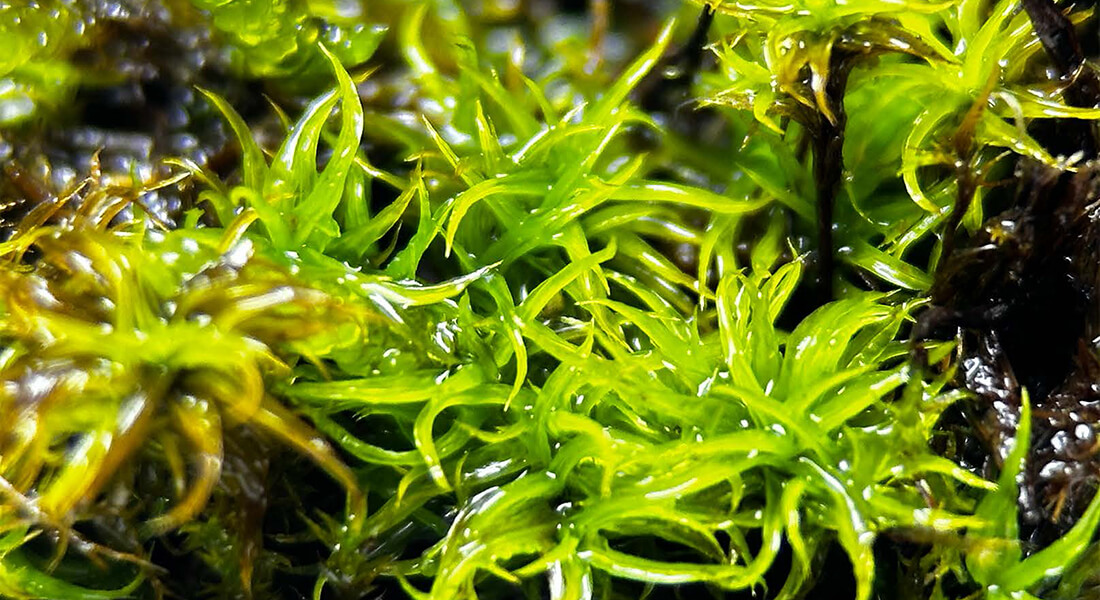
- This was the first time we could see exactly which bacteria start fixing more nitrogen when the Arctic warms. It opens new opportunities for understanding how ecosystems respond to climate change, says Associate Professor Kathrin Rousk from the University of Copenhagen, Department of Biology.
Warming increases nitrogen fixation
As the Arctic heats up, plants grow faster – but only if they can access enough nitrogen, one of the nutrients they need most.
This new collaborative study reveals that mosses and the bacteria living on them may help plants meet this increased demand.
To explore this, the researchers carried out a large climate warming experiment in a permafrost ecosystem.
They warmed the ground with infrared heaters and underground heating rods for two years, then measured 43 different factors linked to plant nitrogen needs and soil nitrogen supply. These included plant nutrient strategies, soil nutrient cycling, moss traits, and nitrogen fixation by moss‑associated bacteria.
The results were surprising: warming increased nitrogen fixation. Not only did the bacteria become more active, but the community of nitrogen‑fixing species shifted toward those that perform better at higher temperatures.
- Our goal was to understand how plants can keep growing when warming increases their need for nitrogen, says Rousk.
- We found that moss‑associated bacteria step up and fix more nitrogen under warming conditions, giving plants the boost they need.
This finding shows that permafrost ecosystems have biological mechanisms that may temporarily support plant growth in a changing climate.
Improving Earth system models
The study highlights an important, previously overlooked process in Arctic ecosystems. Because plant growth helps store carbon, understanding how plants access nitrogen under warming is essential for predicting the future carbon-climate feedback.
In short, the findings can help improve Earth system models, making them more accurate when predicting how Arctic ecosystems respond to warming and how much carbon they can store in the future.
- Our work can help improve climate predictions by showing how small organisms – like bacteria living on mosses – can influence carbon storage in the Arctic, Rousk explains.
- It gives us a new way to understand the carbon–climate feedback.